


Every once in a while, I’ve been known to hop on my soap box and get a bit … er, preachy. Not a lot of things get me too fired up — I find it exhausting and pointless, for the most part.
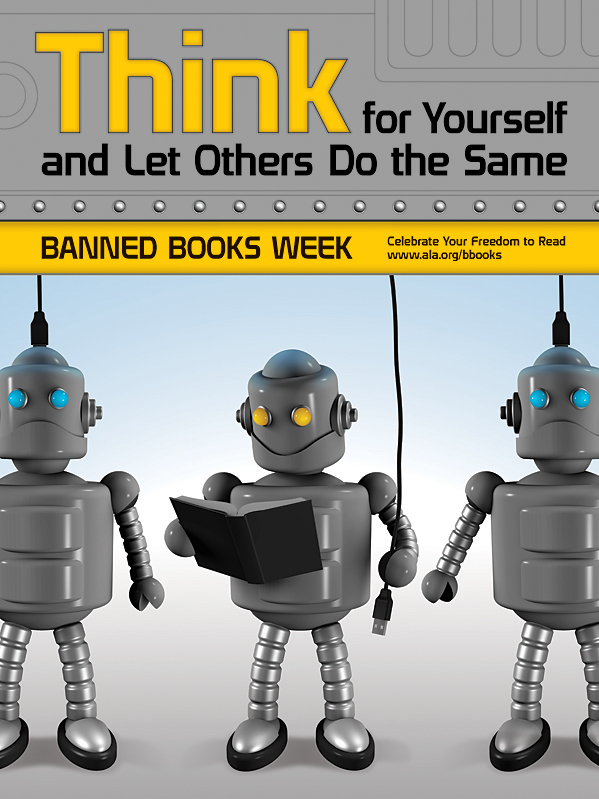 But when it comes to the subject of censorship and banning books … well, I just can’t shut my mouth. (And since we’re marking Banned Books Week, I have an excuse to speak up.) Nothing irks me more than people who feel they are so high and mighty that they can decide what books the rest of us can or cannot read.
Here’s the thing. I get it. Some parents don’t want their kids exposed to certain things; certain books and themes and subject matters. I get it, I really do. Do I think it’s unfortunate that these parents are denying their kids access to literature? Yes. But I recognize that it is every parent’s right to choose what their children are exposed to and when they are exposed to it. In fact, I applaud parents who are active in their children’s lives and choose to shelter them from subjects which may be too mature for them at a certain age.
But don’t you DARE tell me what books I can or cannot read — and don’t you DARE tell any other parent what their child can or cannot read. You can parent your own child and yours alone; when it comes to others, it’s THEIR responsibility and THEIR choice.
And this is the problem with the whole concept of banning books.
For one thing, it’s an extremely fascist and egotistical concept. What gives you the right to decide what others should be able to read? In this country, we have the freedom of speech and the freedom of the press — and that freedom extends to having access to the things others say and write. By banning a book, you take away my right to read something. If you don’t like what it says, fine; don’t read it. But banning a book because you disagree with its message or find it offensive is just wrong.
What’s even more important is the fact that by banning a book, you negate its message and lose a valuable opportunity to discuss important issues.
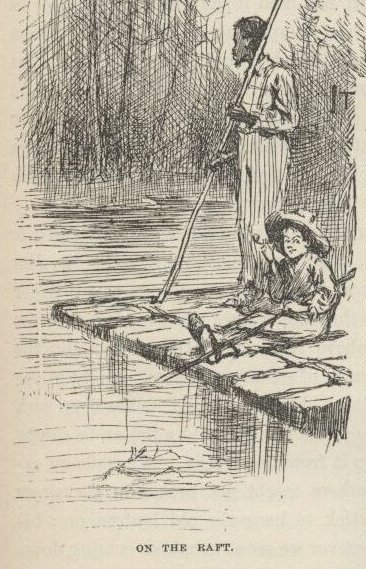
There have been a lot of examples in the news recently about this subject, and I won’t exhaust the subject by rehashing these recent news items here — but the controversy about banning books goes back many years. Take this classic example: The Adventures of Huckleberry Finn by Mark Twain. Many parents have tried to have this book banned from schools and libraries, and many parents don’t want their children taught it in class.
Why? The main reason is because it contains a word … a highly offensive word that starts with the letter “N” and rhymes with Tigger.
But what is the result of banning Huck Finn? That kids are not exposed to this word?
Wrong.
Kids will still be exposed to this word — but in an entirely different context. They will fail to learn the word’s significance; it’s history. They won’t understand why it is such a hurtful word.
How about this: rather than banning Huck Finn, teach it in the classroom — and make this word part of the lesson. Teach kids about how the word was used in the context of Mark Twain’s book, why it is so offensive today and why they should never, never use it.
And that’s the real crux of the issue for me. As I said, I agree it is a parent’s right to shelter their individual child from some subjects. But the BETTER choice, I think, is allowing your child to read a book you find controversial — and then discussing it with your child. That way, rather than taking something away from your child, you’ve given them the opportunity to learn and to grow. And with any luck, you’ll grow stronger as a family.

Every time the subject of banning books comes up, one image comes to mind: the scene in Indiana Jones & the Last Crusade when Indy happens upon the Nazis burning books. The movie is generally light-hearted, but the image of that scene is truly horrifying. I always remember the line when Henry Jones, Sr. (Sean Connery) later says, “You should try reading books instead of burning them.”
There is no value in banning books. None.
But there is incalculable value in books themselves. They contain stories, lessons, messages, etc. … we learn things about ourselves and the world we live in by reading books. We find hope and strength and courage. We find meaning in our lives and the universe around us. We find new worlds and dreams and hopes.
And regardless of the subject matter, every book has worth. Every book deserves to be read. And every person (regardless of age) deserves the right to read a book, no matter what.
 Novel Novice
Very well said, Sara.
I think you mean “fascist” not “socialistic.” A fascist would say “None of you can read this,” but a socialist would say “You can all read anything you want, as long as you share it with everyone else.”
Merp. Fixing. Thanks.
This is what happens when I write AND edit these things in the wee, sleepless hours … *facepalm*