


 While we’re pretty sure most English teachers don’t dress up as a bat like Mina’s in Sucks to Be Me, many schools include Bram Stoker’s Dracula as part of the curriculum.
One of the reasons they do this (besides that it’s about vampires — hel-lo) is because it’s an epistolary novel, a form of novel that traditionally tells the story through documents like letters, journal entries and sometimes reports or newspaper articles. Dracula includes letters, diary entries, newspaper clippings, telegrams, doctor’s notes and ship’s logs.
Sucks to Be Me and Still Sucks to Be Me aren’t true epistolary novels, but they do contain elements of the form by way of e-mails, texts, IMs and lists.
Why do writers use this form?
The epistolary form is great for presenting multiple viewpoints, allowing the reader to hear the characters’ voices more intimately. It also lends authenticity, variety and creativity. Readers aren’t just told what happens and what to think, but shown by the characters themselves and taken into their confidence.
 Besides Dracula, here are some epistolary novels you may be interested in:
- e by Matt Beaumont
- Boy Meets Girl and The Boy Next Door by Meg Cabot
- Bloodline by Kate Cary (this is a “sequel” to Dracula and seeks to imitate Stoker’s style)
- The Perks of Being a Wallflower by Stephen Chbosky
- Flowers for Algernon by Daniel Keyes
- Carrie by Stephen King
- The Historian by Elizabeth Kostova (Dracula and Vlad the Impaler are the subjects)
- The Book of Renfield by Tim Lucas (again, this was inspired by Dracula and seeks to imitate the style)
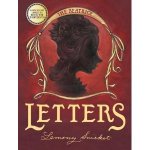
- The Beatrice Letters by Lemony Snicket
- The Color Purple by Alice Walker
Teacher resources
We scoured the Internet and thought these sources offered good lesson plan ideas for Dracula:
- http://www.jjuriaan.com/dracula.html : This is a great site with a complete vocabulary list; assignments; discussion questions; a guide to making a class theatrical; and a list of helpful links, including a link to a free online version of Dracula.
- http://teacher2b.com/literature/dracplan.htm : This site has a thorough synopsis of each chapter with discussion questions; test questions; alternative assignments; and essay topics.
- http://www.teachersnetwork.org/teachnetnyc/dpietraru/dracula.htm : In Search of Dracula: History and Imagination is a fun, interactive site that dissects the concept of “supernatural”; vampires and other supernatural creatures; the history of Dracula; and vampires in movies and literature. Someone really put some time into this one.
 Novel Novice
We studied this in our Integrated Language Arts class- only they refer to it as multi-genre. Similar?
Hmm, I’ll have to look into that. Thanks for the heads-up!