

A few weeks ago, we posted about ABC’s television show Lost and its many references to literary works. In fact, many LOST fans have created book clubs in hopes of locating some hidden meanings in the novels mentioned on the show. A great new article over at EW.com compares the hit show to Alice in Wonderland. Rather fitting since we are celebrating all things Alice this week here at Novel Novice. Here is an excerpt from the article: 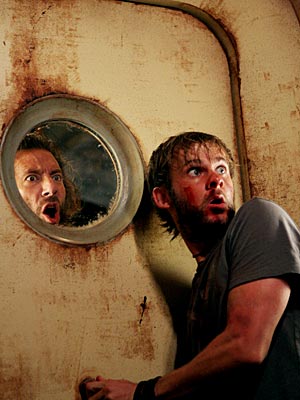
ALL GOOD FANTASIAS MUST COME TO AN END
In which the author explores Lost’s curiouser and curiouser fixation with Alice’s Adventures In Wonderland and Through the Looking-Glass, especially as they pertain to last week’s episode ”Lighthouse” and how Lewis Carroll’s wondrous works suggest Big Meanings and possible conclusions for the show. But first: some useful terms are defined and exemplified:
FANTASY: (1) ”a situation imagined by an individual or group that has no basis in reality but expresses certain desires or aims of its creator.” (2) ”a musical composition with its roots in the art of improvisation.” (3) ”a genre that uses magic and other supernatural forms as a primary element of plot, theme, and/or setting.” (All definitions/quotes from Wikipedia.)
EXAMPLES OF FANTASY, AS THEY PERTAIN TO LOST: (3) ”Lighthouse” included references to Star Wars, Indiana Jones, and most significantly, Lewis Carroll’s pair of fantasy lit classics, Alice’s Adventures In Wonderlandand Through The Looking-Glass, And What Alice Found There. (2) ”Lighthouse” also made use of Chopin’s ”Fantasia Impromptu,” an impromptu being an ”improvisation as if prompted by the spirit of the moment, usually for a solo instrument, such as a piano.” David Shephard, the son of Jack Shephard in the Sideways world, played Chopin’s piece in last week’s episode, just as Daniel Faraday did last season in the episode ”The Variable.” (1) TBD. Is the Island world an ”imagined situation?” Or is the Sideways world the fantasy? We won’t know until one of them — or maybe both of them — does one thing. It is the same thing all stories must do in order for any kind of clarity or meaning can be gleaned, lest they drag on forever into total confusion, chaos, and so much jabberwocky. That one thing:
One of them must end.
Check out the rest of this very entertaining article by clicking here!
 Novel Novice
Leave a comment